

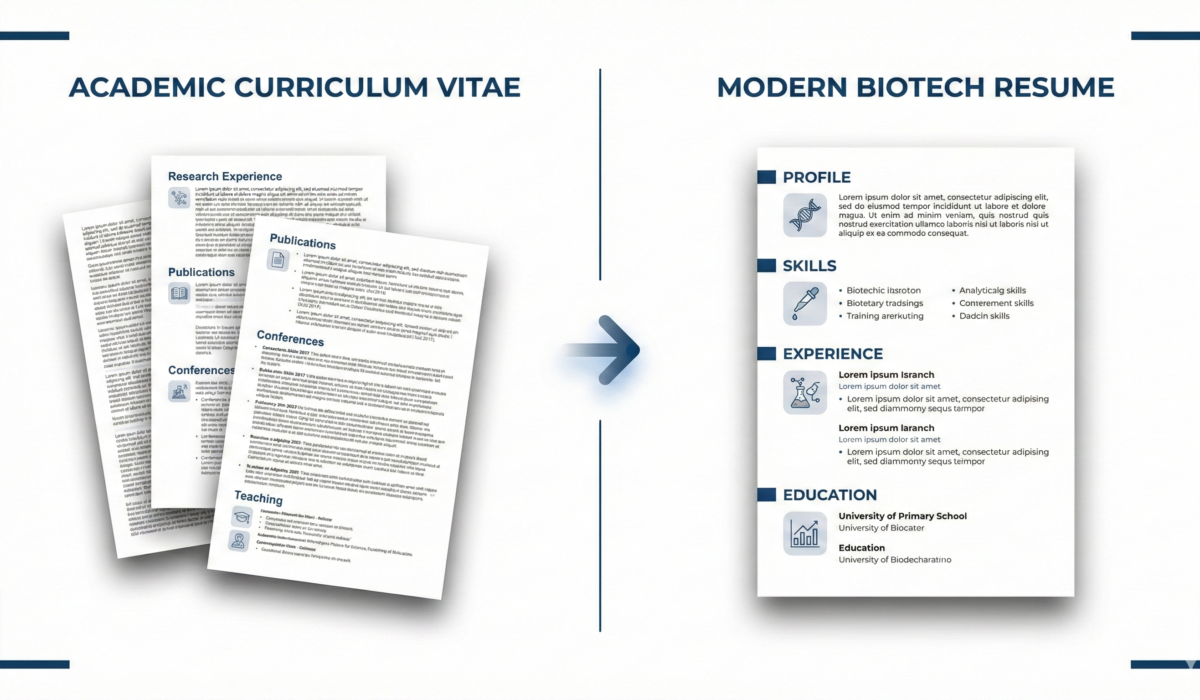
The “Black Hole” of Job Applications
It starts with hope. You finish your final semester, confident in your grades and your thesis. You open your laptop, attach the PDF titled My_Resume_Final.pdf, and hit “Apply” on LinkedIn.
Then, you wait. And wait. And wait.
The silence is deafening. It feels personal, like the industry is rejecting you. But here is the hard truth that universities rarely teach: The industry isn’t rejecting you. It is rejecting your document.
Most life science graduates are sending “Academic CVs” to “Industrial Recruiters.” It is like trying to pay for coffee with Monopoly money—the value is there in your head, but the currency is wrong.
If you want to break the silence and land that interview, you have to stop thinking like a student and start thinking like a professional. Here is how to make the switch.
The 6-Second Reality Check

Recruiters in the pharmaceutical and biotechnology sectors do not read resumes. They scan them.
Multiple hiring studies, including research by Ladders Inc., show recruiters spend about 6–7 seconds on a resume before deciding “Yes” or “No.” In those six seconds, they are not looking for your GPA or the title of your college project. They are hunting for specific “trigger words” that tell them one thing:
“Can this person survive in a regulated environment?”
An academic CV tells recruiters you understand subjects.
An industry resume signals you understand responsibility.
In many entry-level hiring cycles, recruiters eliminate over 70% of fresher resumes before interviews even begin — not because candidates lack intelligence, but because their resumes fail to demonstrate regulatory awareness, documentation discipline, and quality mindset.
The Mistake: Listing “Tasks” Instead of “Competencies”
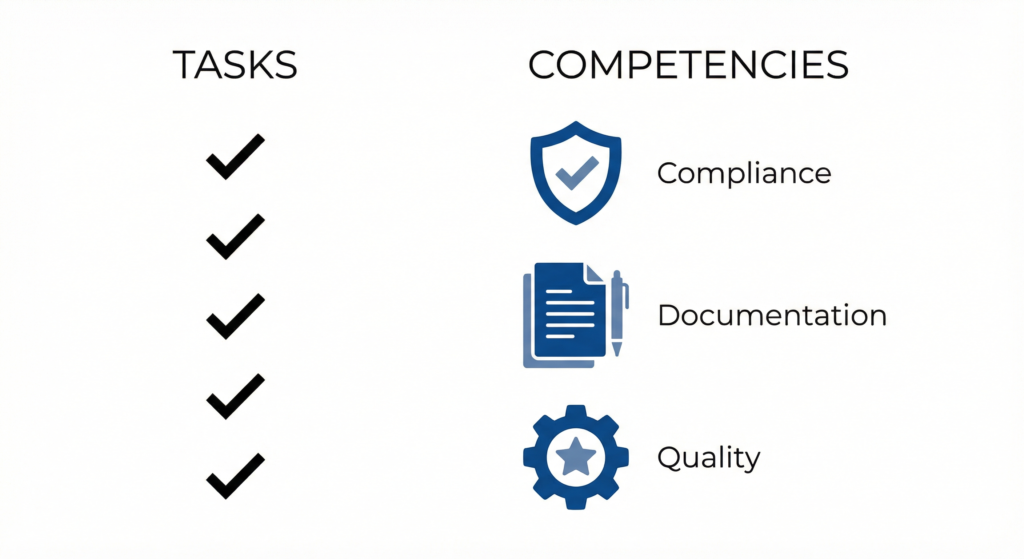
Let’s look at a typical section from a fresher’s Biotech CV. It usually looks like this:
- Performed PCR and Gel Electrophoresis.
- Did titration and chromatography in the lab.
- Completed a project on bacterial cultures.
To a recruiter, this is empty noise. Every single biology graduate in the country has done PCR. Listing it doesn’t make you special; it just makes you average.
The Fix: You need to translate your academic tasks into industrial competencies. Recruiters are looking for keywords that show you understand Quality, Safety, and Documentation.
Compare the above list to this Industry-Ready version:
- Executed DNA amplification protocols (PCR) adhering to standard laboratory safety guidelines.
- Maintained accurate documentation of titration logs to ensure reproducibility of results.
- Managed sterile bacterial cultures with a focus on contamination control and aseptic techniques.
See the difference? The first student “did stuff.” The second student understands Standard Operating Procedures (SOPs), Documentation, and Contamination Control. That is the language of the industry.
The “Experience Paradox” (And How to Beat It)
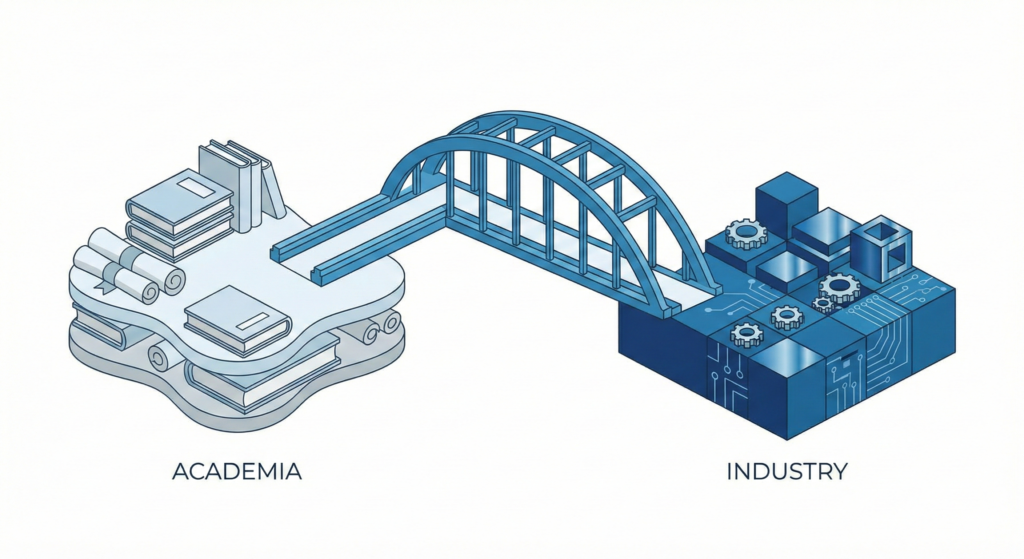
The reality is simple: many universities are still optimized for academic success, while the pharmaceutical industry hires for operational readiness. The gap between the two is where most freshers lose their first opportunity
The most frustrating phrase for any fresher is: “Entry-level job. Requires 1-2 years of experience.”
How do you get experience if no one gives you a job?
The answer lies in how you frame your training. If you have undergone industry-aligned training, that is experience. It is not “work” experience, but it is “exposure.”
Don’t bury your training at the bottom of the page. If you have learned about GMP (Good Manufacturing Practices), Quality Assurance, or Regulatory Affairs, put it right at the top under a “Core Competencies” header.
Why? Because a Hiring Manager would rather interview a fresher who knows what a “Deviation” is than a Gold Medalist who doesn’t know why data integrity matters.
Beating the Robot (The ATS)
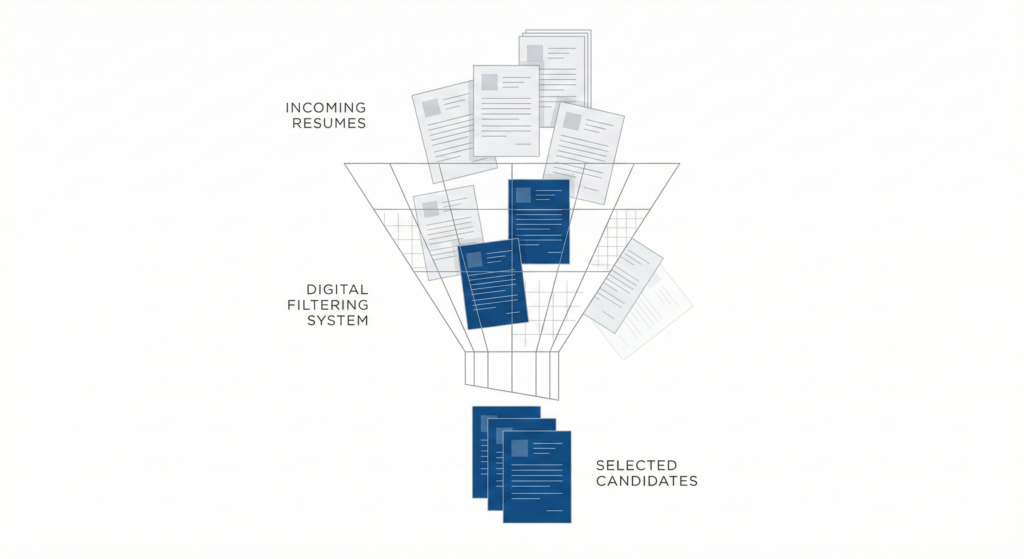
Before a human ever sees your resume, a robot likely reads it. The Applicant Tracking System (ATS) filters out resumes that lack specific keywords.
If your resume is full of academic fluff like “Hardworking,” “Fast learner,” and “Team player,” the bot will likely reject it.
To pass the ATS, you need to sprinkle high-value industry keywords naturally throughout your resume.
- Instead of “Lab Rules,” use GLP (Good Laboratory Practice).
- Instead of “Checked for errors,” use Quality Control (QC).
- Instead of “Followed instructions,” use Compliance.
The “So What?” Factor
Finally, look at every bullet point on your resume and ask yourself: “So what?”
- “I was the class representative.” -> So what? -> “I coordinated between faculty and students, ensuring clear communication.” (Now it shows Leadership).
- “I know Python.” -> So what? -> “I can use Python for data visualization to interpret biological datasets.” (Now it shows Application).
Your Resume is Your First Deliverable

Think of your resume as your very first project in the industry. It needs to be clean, error-free, and structured. A resume with typos tells a recruiter, “I will probably make mistakes in your lab reports too.”
Stop writing an Academic CV. Stop listing subjects you studied. Start proving that you have the mindset of a professional.
The industry isn’t looking for students anymore. It is looking for colleagues. Is your resume ready to introduce one?
At Skiaro, our focus is not just training — it is professional transformation. Through exposure to GMP frameworks, regulatory expectations, and industry-led mentorship, we help graduates develop the signals hiring managers recognize immediately.