


If you are a life science student — whether you are pursuing microbiology, biotechnology, biochemistry, or any related field — you already know that your academic journey goes far beyond textbooks and lab practicals. In today’s competitive world, having a degree is just the starting point.
What truly sets you apart is your ability to connect, communicate, and stay updated with the ever evolving world of science. This is exactly where conferences and workshops play a powerful role in shaping your career.
What are Conferences and Workshops?

Simply put, a scientific conference is a large gathering of researchers, students, professors, and industry experts who come together to share and discuss the latest findings and developments in a specific field. Think of it as a science festival — one where the main attractions are ideas, discoveries, and conversations.
A workshop, on the other hand, is a more hands-on and interactive session. It is usually smaller in size and focused on teaching a specific skill or technique — like bioinformatics tools, laboratory methods, data analysis, or scientific writing. While conferences inspire, workshops equip.
The Benefits of Attending Conferences and Workshops
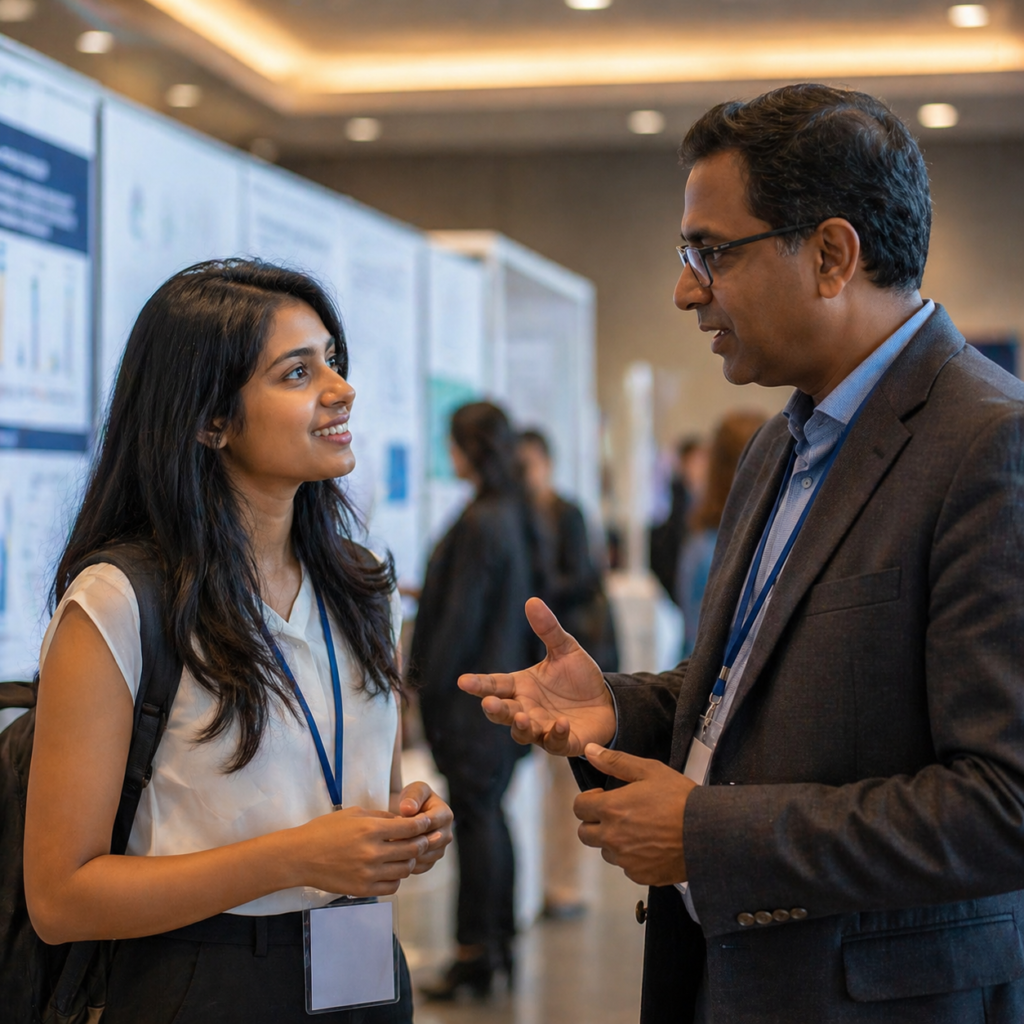
- Networking: Building Relationships That Matter
One of the most valuable things you gain from conferences is not what you learn from the stage — it is the people you meet during the coffee breaks and poster sessions. Networking with researchers, professors, and industry professionals opens doors that no online application ever can. A conversation with the right person at the right time can lead to an internship offer, a recommendation letter, or even a research collaboration. Relationships built at conferences often last throughout careers.
2. Staying Updated with the Latest Research
Science moves fast. New discoveries, technologies, and methods emerge every year. Attending conferences gives you direct access to cutting-edge research — often before it is even published injournals. As a student, this exposure helps you understand where the field is heading and allows you to align your own interests and projects accordingly.
3. Improving Technical and Soft Skills
Workshops are fantastic for building practical skills. You might attend a session on protein structure prediction, flow cytometry, CRISPR techniques, or scientific illustration. Beyond technical skills, both conferences and workshops sharpen your soft skills as well — listening carefully, asking good questions, presenting ideas clearly, and engaging with diverse groups of people.
4. Opportunities for Internships, Collaborations, and Higher Studies
Many students have landed internships and research positions simply by introducing themselves to a professor or scientist at a conference. Industry professionals often attend these events looking for talented young minds. If you are planning to pursue a Master’s or PhD, conferences are a great place to learn about programs, meet potential supervisors, and understand the kind of research happening at different institutions.
5. Building Confidence and Communication Skills
Standing up and asking a question during a session, presenting your poster to a senior researcher, or pitching your project idea in a group discussion — all of these experiences build your confidence in ways that classroom learning simply cannot. Over time, you become more comfortable talking about science, defending your ideas, and engaging with experts.
Real-Life Scenarios: How it Can Change Your Journey

Imagine a second-year MSc student in microbiology who attends a national conference on infectious diseases. During a networking lunch, she strikes up a conversation with a scientist from a pharmaceutical company. A few weeks later, she receives an email inviting her for a summer internship. That single conversation changed the trajectory of her career.
Or consider a biotechnology student who attends a bioinformatics workshop and learns to use tools like BLAST and PyMOL. He includes these skills on his CV and successfully applies to a competitive computational biology research program abroad. These are not rare stories. They happen every year, to students who simply show up and engage.
How to Choose the Right Conference or Workshop

Not every event will be the right fit for you. Here are a few tips to help you choose wisely:
Relevance: Make sure the event aligns with your area of interest or future career goals.Credibility: Look for events organized by reputed universities, scientific societies, or established research institutions.
Speakers and Topics: Check the list of speakers and sessions. Are they experts you would genuinely learn from?
Affordability and Accessibility: Many student conferences are low-cost or even free. Look for events that offer student concessions or travel grants.
Opportunities to Participate: Prioritize events that allow you to present a poster, give a talk, or take part in competitions.
How to Make the Most Out of These Events
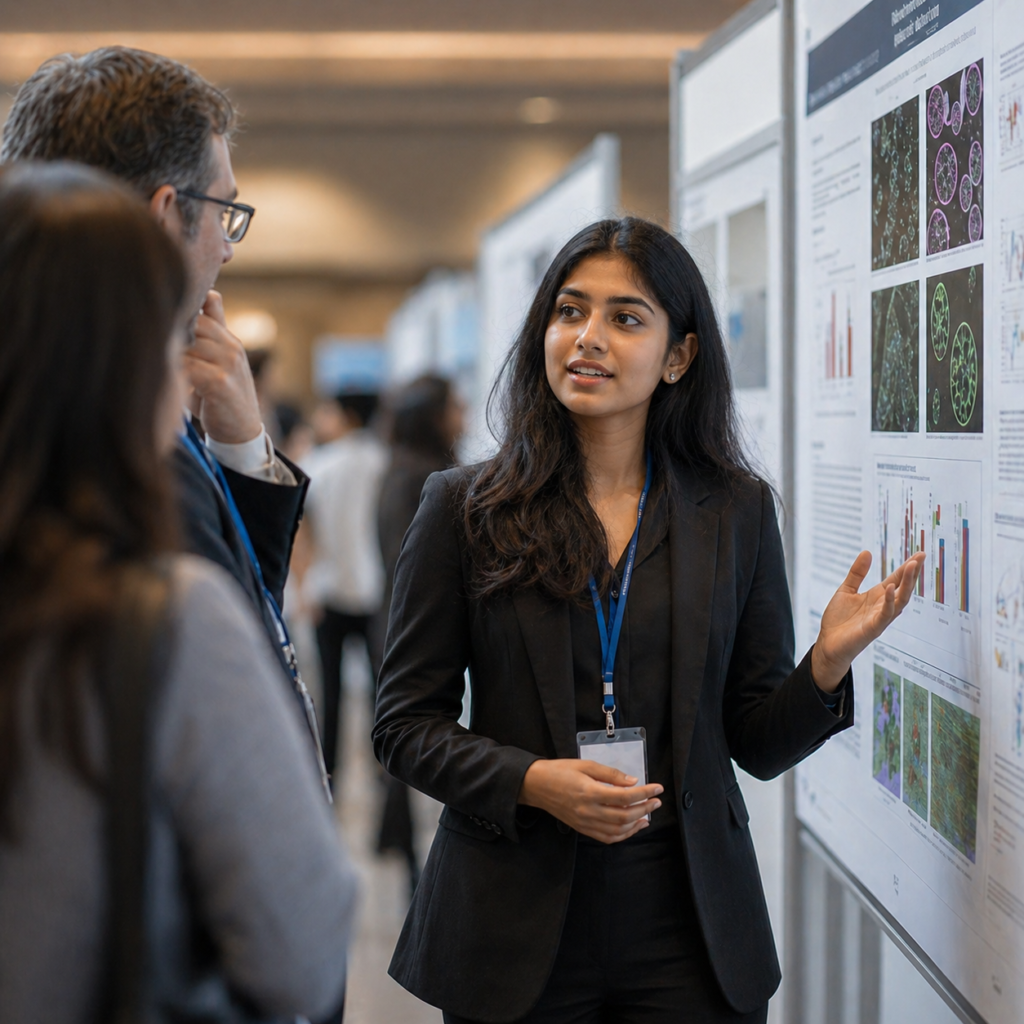
Attending is just the first step. Here is how to truly maximize your experience:
- Prepare in advance: Read about the speakers and topics before the event.
- Carry your business card or a digital profile: A simple card with your name, institution, and email goes a long way.
- Be proactive: Do not just sit and listen. Ask questions, introduce yourself, and join discussions.
- Take notes: Write down key ideas, names, and contacts while everything is fresh.
- Follow up: After the event, connect with the people you met on LinkedIn or via email.
- Reflect: Think about what you learned and how it applies to your academic or career goals.
Conclusion: Your Career Begins at the Conference Hall
Conferences and workshops are not just events on a calendar — they are stepping stones in your scientific journey. They connect you to a world beyond your campus, expose you to ideas that challenge and inspire you, and equip you with skills that classrooms often cannot teach.
As a life science student, every conference you attend, every workshop you complete, and every connection you make is an investment in your future. The scientists, researchers, and professionals you meet today may be your collaborators, mentors, or employers tomorrow.
So the next time you see an announcement for a conference or workshop in your field — do not hesitate. Register, prepare, show up, and make the most of it. Your career will thank you for it.